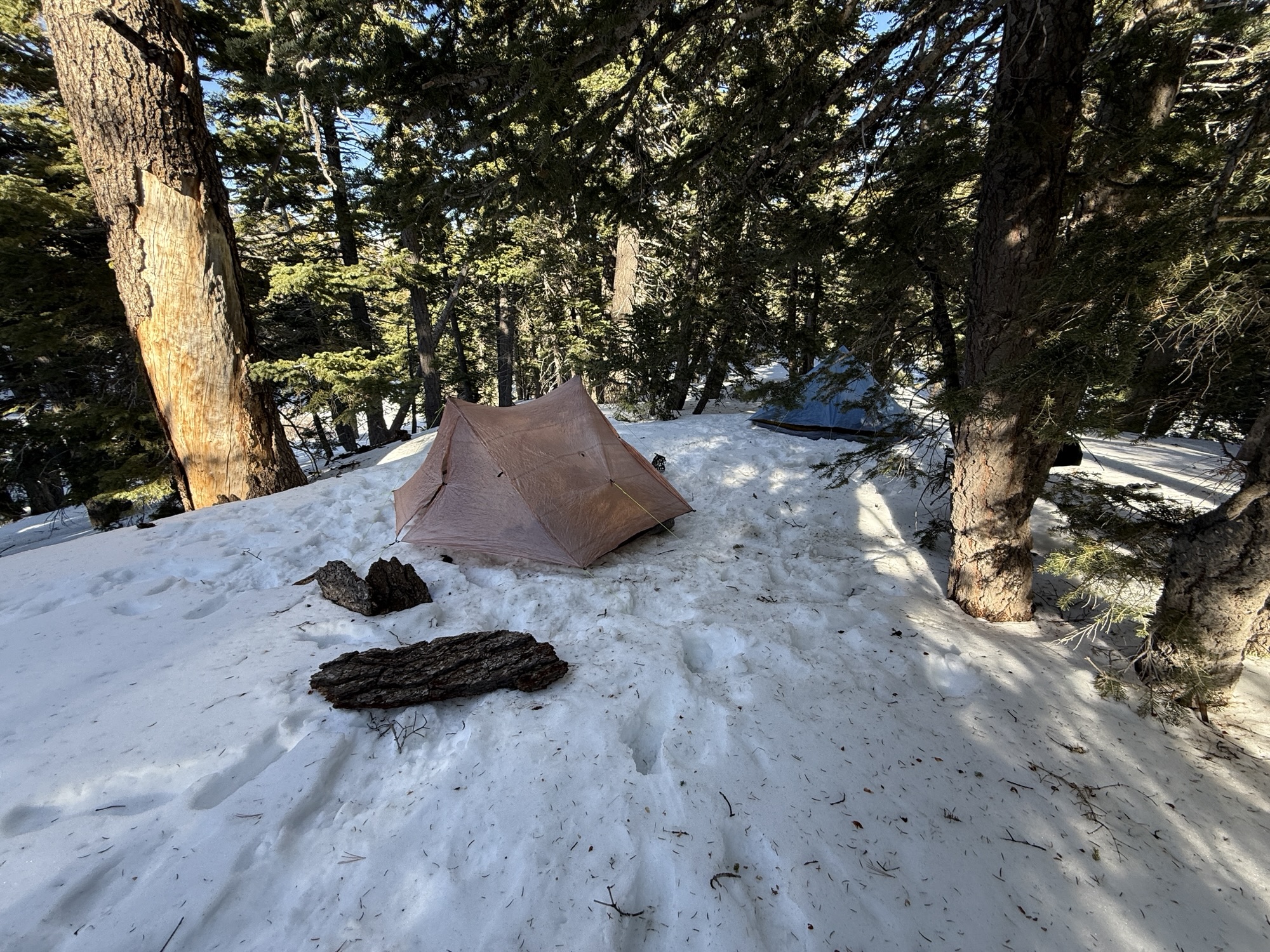
Z Pack’s Duplex Tent: Burnt Orange
Hey guys welcome to my crib.
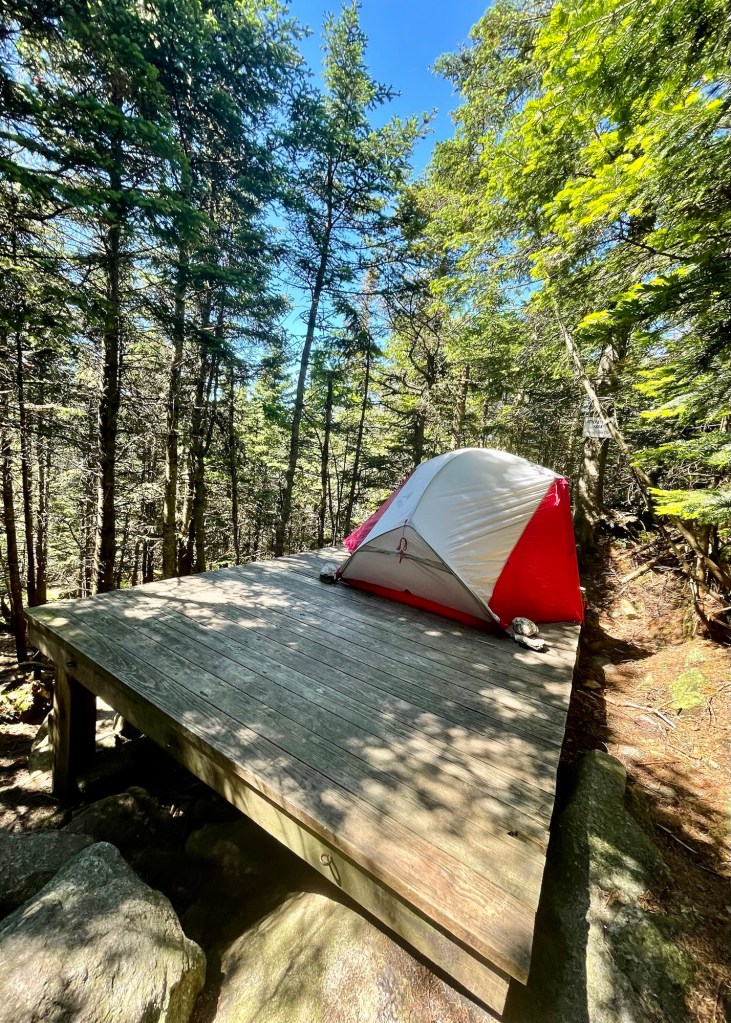
When you sign up for a thru hike you sign up to carry everything you need to survive for the five ish months that it’s going to take to complete that trip. So every single ounce of weight matters. Back home when I hike in the White Mountains, I’m not worried about weight so I carry a little heavier free standing MSR Hubba Bubba 2. But that is mainly due to the platforms you a required pitch on, and the rocky terrain leaves no option to deviate… And there just isn’t anywhere to cowboy camp like out here.
Out here on the PCT knowing I would be covering twice as much mileage a day. I chose to bring my Z Packs Duplex. At just about 19 ounces. It’s one of the lightest two person tents sold today, yet it offers enough space to fully lay flat, great durability, and weather resistance to handle the challenges of a west coast long distance hike.
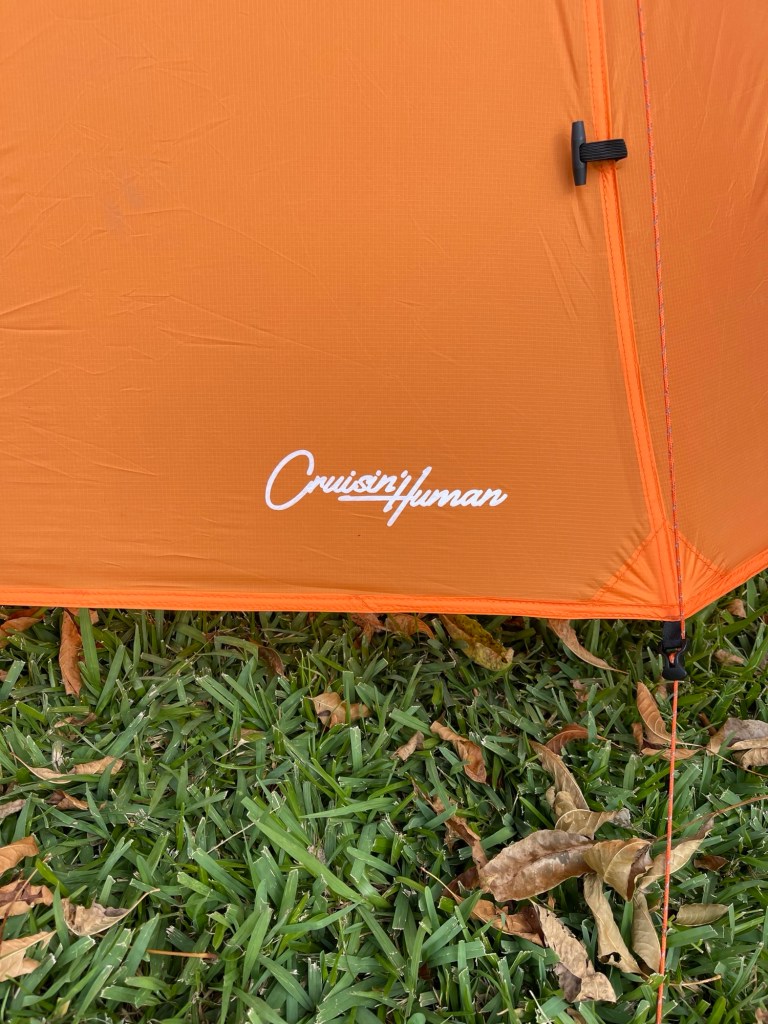
Now if you know me personally or even professionally, you know I’m one of those over educated engineers. In fact some of my college degree(s) are in Materials and Biomaterials Engineering. And when it comes to materials, Dyneema is in my opinion one of the bees knees. I call it Cuben Fiber because I’m old fashion and once owned a company with my buddy Brock called Cuben Haus. We were actually making Dyneema tents and planned to sell them under the brand Cruisen Human until Covid shut the world down.
But I also guess calling Dyneema Cuben Fiber is like calling a jacuzzi a hot tub and a hot tub a jacuzzi? Right? I digress.
Dyneema is manufactured by taking a thin sheet of ultra high molecular weight polyethylene (UHMWPE) laminated between two sheets of polyester. (I think like paper mache) Once you purchase the raw materials, to start manufacturing tents you take these Dyneema sheets, sew them together in a pattern and then essentially hot press seam seal the sewn sections together to ensure a tight waterproof seal. Think of the laminating machine at work, same thought process. This process is not only very difficult, crucial to the performance of the product, but also a one shot deal. When done right, these tents will withstands most weather thrown at them.
Initially Dyneema was created for performance sailboats in order to really capture the full power of the wind for racing and now backpackers like myself have adopted the technology to keep ourselves, cool, covered, dry, and most importantly keeping our gear lightweight!
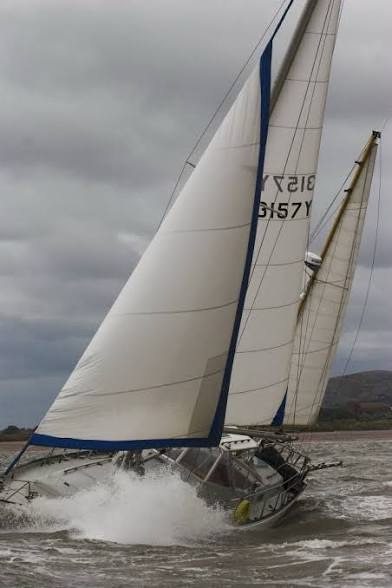
Although this is not the first year I have used this tent, now that I’ve been on trail with the Duplex for a while pitching it every night if not twice a night I want to share my thoughts on how it performs in real life conditions. I’ll be sure to update this post with my personal experiences as things change.
Z Pack’s Duplex Specs
• Weight: 18.5 oz (without stakes) I carry 10 stakes total although only 8 are needed. I lose stuff and I also use 1 stake when I PCT hang my food. Occasionally in bad wind, I’ll use an extra stake for stability or add another guy line to this stake to keep the head space from flapping around.
• Material: Dyneema Composite Fabric (DCF)
.55 oz/sqyd Standard Dyneema® Composite Fabric
• Interior Space: 45” peak height, 48” width, 100” length
• Setup requires two trekking poles and a minimum of 6 stakes
• Price: Around $699
First Impressions:
When I first set up the Duplex, I I set it up in my backyard in ideal conditions before a trip to Havasupai. I initially thought it felt very cheap. I sometimes joke in the backpacking industry that the more expensive gear is the cheaper it feels, but being a materials guy I physically and technically know the strength of Dyneema. So I gave it a shot. I asked my dad to get the leaf blower and give me a hurricane while I was inside. I was impressed, although Havasupai’s weather was perfect that trip. I was prepared if it turned.
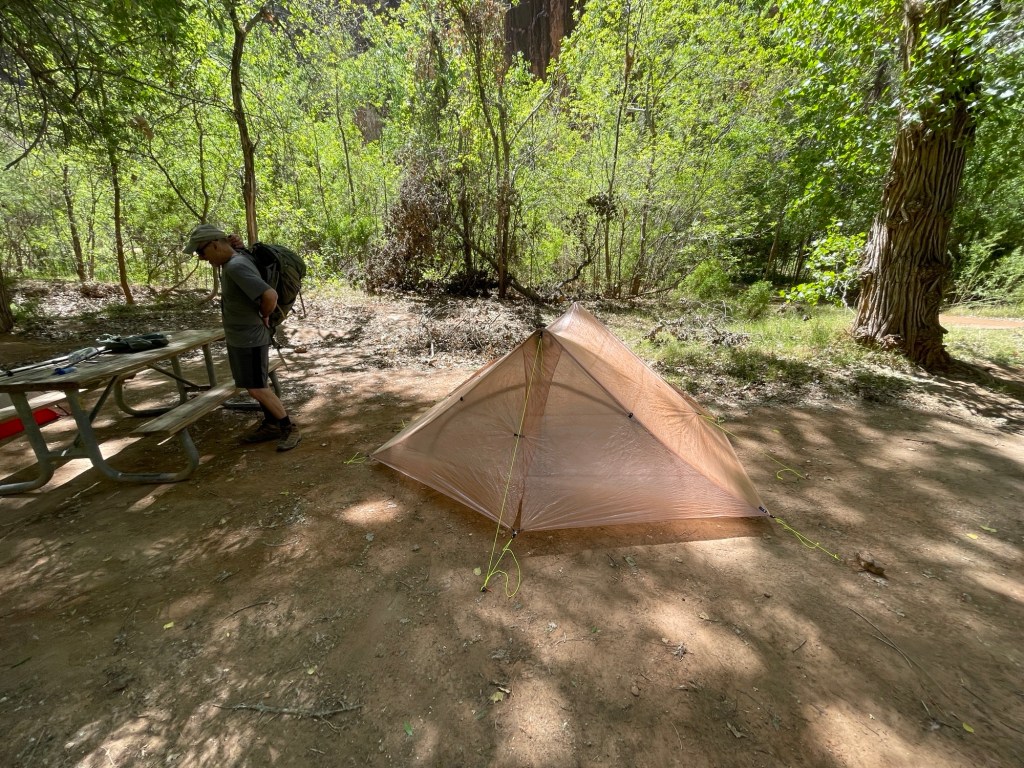
My first impression in a real life excursion on the PCT? I’ll say I’ve been rusty with it being winter back home I was unable to pitch my tent and practice until I arrived on the PCT. Figuring it out that first few nights was again a learning curve. The tent itself is not hard to pitch, but like anything, the drive to perfect the perfect pitch never goes away. It can always be better.
Performance on the PCT:
As I’ve been hiking north, I’ve had the chance to test the Duplex in different environments. Here’s how it’s holding up:
In the cold. Single walled tents are not ideal, definitely not a winter tent. The first night on the PCT was 21°F. In my opinion that’s too cold. Temperatures above 45 are perfect. I’ve never had any issues with this tent above those temps. When the temps do drop condensation builds up on the inside of the walls. I try different pitches to let venting through but have yet to perfect it.
Rain and snow, the Duplex handles them well keeping in mind its design. Snow falling hasn’t yet been a big problem on the PCT but rain has. This March has been a rainy season for us and out of fifteen nights so far five have rained in “sunny So Cal”. I find this is where I’d prefer the double walled free standing tent. The moisture and condensation buildup on the single wall tents drives me insane. If you are a person that constantly moves around at night and has acquired the trail named Mouse then you know you end up bumping into the head walls of the tent and collecting condensation on your sleeping bag or on your hat.
Weight and Packability:
The Duplex packs down incredibly small and adds almost no noticeable weight to my pack. As far as two person tents are concerned it’s definitely the smallest one I have found yet, the only way I think I could go smaller would be to drop down to a one person tent to get a little bit lighter. Compared to heavier double wall tents like my Hubba Bubba 2 it’s a no brainer for my bag. I do like the additional space of the 2 person tent and it lets me keep ALL of my gear inside at night. By the end of the trail though I may swap to a one person. I’ve been carrying the tent on the outside strapped to my bag due to its lightweight stature.
Wind Resistance:
So far, the Dyneema fabric has done a solid job repelling high winds, the tent holds up well if staked properly, though it does flap a bit more than a traditional freestanding tent as the vestibules are not zippered. One complaint. There’s nothing quiet about Dyneema as a material. This is NOT a Z Pack problem but a Dyneema problem in general. Imagine just flapping around a trash bag all night.
Breathability and Condensation:
Ventilation is ok thanks to the double mesh doors and the ability to stake the vestibules slightly open or to leave them fully open for airflow. However, condensation does build up on cold, damp nights. The key is ensuring airflow by pitching it strategically and that is something I don’t think I’ve gotten down yet. I’ve been pitching it low to the ground thinking it would keep me warmer, I think that may be false and causing me to get wet and then cold.
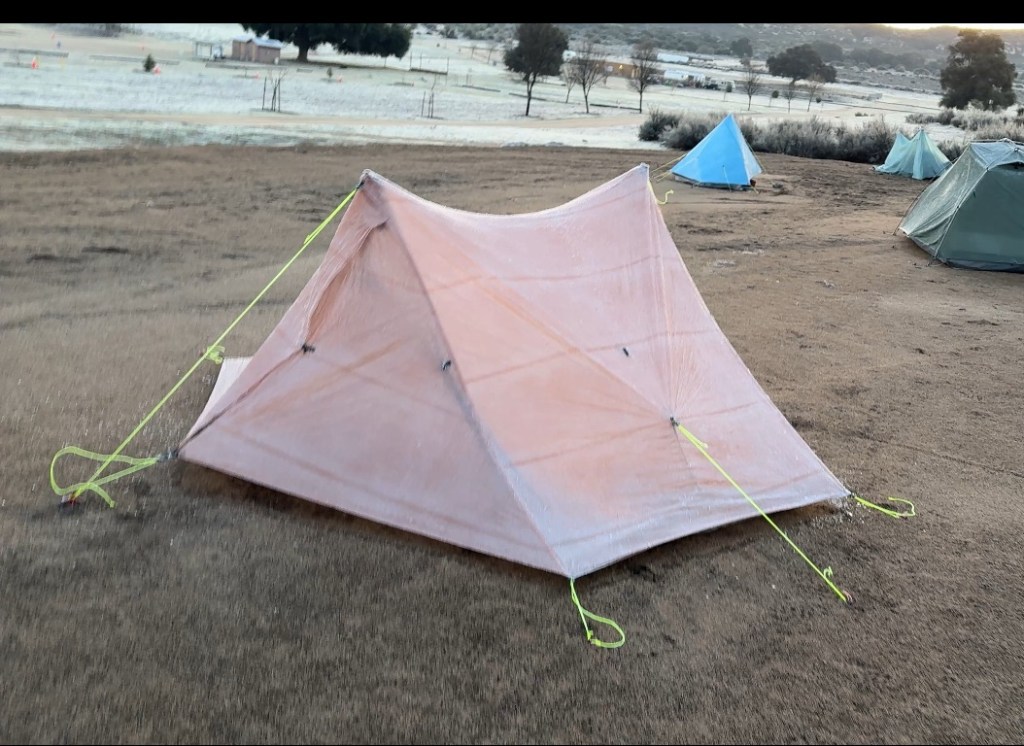
Durability
Dyneema is strong but not invincible. I’m being careful of where I pitch to avoid punctures. I did rip the stuff sack and patched it with repair tape. The main tent material is holding up well so far, but I’ll update this section if I experience any wear issues. With the desert sand getting into the zippers I’m curious how many more night I have ahead. I anticipate normal wear and am curious to see how it goes because I intent of fully besting this tent up.
Final Thoughts (For Now)
The Zpacks Duplex is so far proving to be an excellent choice for my tent on my PCT tru hike. It’s light, spacious, and so far successful at being weather resistant. Looking back my only change would be I do wish I got the camo green one. I really am a sucker for OD Green!
If you have any questions about using the Z Pack Duplex, drop me a comment below!
One last tip! Be careful lifting over rocks near your tent site while pitching. Some times you won’t like what you see.
 The Pacific Crest Trail